
Digital credentials are cryptographically signed, machine-verifiable proofs of a candidate’s identity and qualifications. The role of digital credentials in contract staffing is to replace slow, fraud-prone manual document checks with automated verification that is faster, more trustworthy, and reusable across multiple placements. The W3C verifiable credentials model defines three core roles: the issuer who creates the credential, the holder who stores it, and the verifier who confirms it. Identity platforms like ID.me are already embedded inside live staffing pipelines, with reference-checking provider RefAssured integrating ID.me verification at the front of the placement process. For HR professionals and recruiters, understanding how this works is the first step toward building a verification process that scales.
How do digital credentials transform candidate verification in contract staffing?
Contractor credential verification changes fundamentally when you move from scanned PDFs to verifiable credentials. A scanned PDF cannot prove authenticity. A cryptographically signed credential can. The recruiter’s system checks the issuer’s digital signature, confirms the credential has not been revoked, and returns a pass or fail. No phone calls. No waiting on HR at a university registrar.
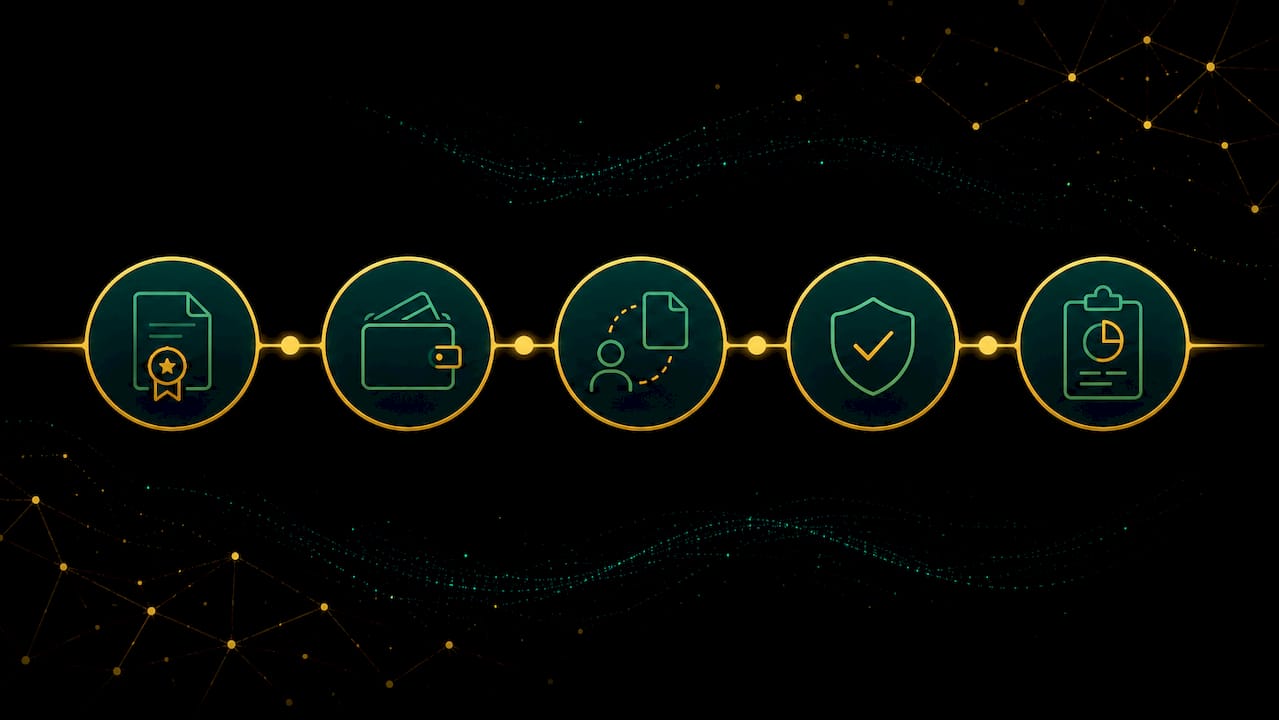
The operational shift follows a clear sequence:
-
Candidate receives a credential from a trusted issuer, such as a certification body or identity provider, and stores it in a digital wallet.
-
Recruiter requests the credential via a shared URL or a wallet-based presentation request before submitting the candidate to a client.
-
Automated verification confirms the credential’s authenticity, issuer identity, and current status in seconds.
-
Revocation checks run automatically. The W3C verifiable credentials use cases explicitly describe automated credential status checks during applicant review, catching revoked credentials that manual checks miss entirely.
-
The verified result is logged in the recruiter’s system, creating an audit trail before the candidate ever reaches a client.
RefAssured and ID.me show this principle in practice. Their partnership embeds identity verification at the very start of staffing pipelines, confirming a candidate is who they claim to be before they enter the submission pool.
One real challenge is that many applicant tracking systems still lack native verifiable credential support. The practical answer is a staged approach. Recruiters start with a manual URL checklist, where candidates share a verification link that the recruiter opens and confirms. API-based automation follows once the team is ready. Even the manual phase removes a meaningful chunk of administrative effort on day one.
Pro Tip: Verify credentials before submitting a candidate to any client, not after. Early verification protects your client relationship and saves the recruiter from unwinding a placement built on a fraudulent document.
What are the core standards behind verifiable digital credentials?
The W3C verifiable credentials data model is the technical foundation that makes digital verification in staffing trustworthy and consistent across organizations. Understanding it does not require a computer science degree. The key idea is simple: a credential is a set of claims about a person, signed by the issuer using a cryptographic key, so any verifier can confirm the signature without contacting the issuer directly.
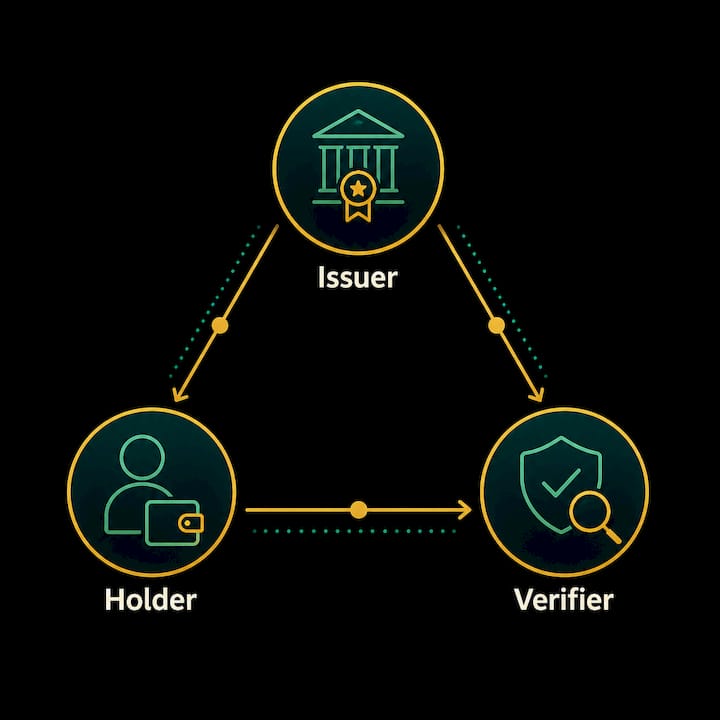
The W3C Digital Credentials API draft defines how user agents, meaning browsers and digital wallets, mediate the issuance and presentation of credentials through standardized system-to-system flows. This is what makes integration with recruiting software possible. The credential metadata includes the issuer’s identity, the issuance date, the expiration date, and a revocation mechanism. Each element serves a specific verification purpose.
The table below shows why verifiable credentials outperform physical or scanned documents for staffing decisions.
| Attribute | Physical or scanned document | W3C verifiable credential |
|---|---|---|
| Tamper detection | None. Forgeries are common. | Cryptographic signature fails if altered. |
| Revocation check | Manual call or email required. | Automated status check in real time. |
| Verification speed | Hours to days. | Seconds. |
| Reusability | Candidate resubmits each time. | Credential is presented from wallet repeatedly. |
| Audit trail | Paper or email records only. | Machine-readable log tied to credential ID. |
The comparison is not close. Physical documents depend entirely on the recruiter’s ability to spot a forgery. Verifiable credentials make fraud structurally difficult because the cryptographic signature breaks the moment anyone alters the underlying data.
How do digital credentials enhance workforce efficiency across multiple assignments?
Reusability is the most underappreciated advantage of verifiable credentials in contract staffing. A credential verified once by a trusted issuer can be presented again and again across different clients, different contracts, and different recruiters. The UK Government’s digital ID policy briefing identifies reusability as a primary efficiency lever, specifically because it eliminates repeated identity checks that waste time for both candidates and employers.
The practical benefits for contract staffing teams include:
-
Faster onboarding per assignment. A contractor who holds a verified credential does not need to resubmit documents for each new placement. Proof travels with the person.
-
Reduced recruiter workload. Verification overhead drops sharply when the same credential covers multiple client submissions within its validity period.
-
Better candidate experience. Contractors are not asked to chase down the same certificates repeatedly. That friction reduction matters for retention in competitive talent markets.
-
Consistent verification standards across clients. Every client receives the same machine-verified result rather than a recruiter’s manual judgment call on a scanned document.
Credential validity is time-bound, and that boundary matters. A credential issued for a 12-month period should align with the contract start and end dates. When they match, the system can trigger re-verification automatically at renewal rather than relying on a recruiter to remember. Aligning credential expiration with contract dates also drives automated access provisioning and offboarding, closing the governance gap that leaves former contractors with active system access long after their engagement ends.
Pro Tip: Build credential expiration dates into your contract management calendar. When a credential expires mid-contract, you want an automated alert, not a compliance incident.
What challenges do staffing teams face when adopting digital credentials?
Adoption is not frictionless. Most contract staffing teams encounter predictable obstacles, and knowing them in advance makes the transition far smoother.
The most common failure point is timing. Verification that happens too late in the hiring cycle, after a candidate has already been submitted to a client, creates downstream risk that is difficult to unwind. The credential check must be a gating step, not a final formality.
Additional challenges include:
-
ATS compatibility gaps. Many applicant tracking systems do not yet support native verifiable credential verification. Teams must bridge this gap manually until API integrations become available. A staged adoption approach using recruiter checklists first, then API automation, is the most practical path forward.
-
Multiple credential issuers. A single candidate may hold credentials from several different issuers, each using slightly different formats or revocation mechanisms. Recruiters need a clear protocol for handling this variation.
-
Client-side adoption. Your verification process only delivers full value when clients trust and accept the results. Some clients will require education on what a verifiable credential actually proves before they accept it in place of traditional document submission.
-
Staff training. Recruiters accustomed to manual document review need clear guidance on how to request, read, and log a digital credential result. The technology is straightforward, but the workflow change requires deliberate onboarding.
-
Audit trail management. Automated verification generates machine-readable logs. Teams need a defined process for storing and retrieving those logs during compliance reviews or client audits.
The good news is that none of these challenges are permanent. They are adoption-phase problems that resolve as tooling matures and teams build familiarity. The importance of digital credentials to long-term staffing efficiency makes working through them worthwhile.
Key takeaways
Digital credentials deliver automated, fraud-resistant, and reusable verification that manual document checks cannot match, making them the most reliable foundation for contract staffing workflows in 2026.
| Point | Details |
|---|---|
| Verify early, not late | Gate credential checks before client submission to prevent fraud and protect placements. |
| Reusability cuts overhead | One verified credential covers multiple assignments, reducing recruiter workload per placement. |
| Staged adoption works | Start with manual URL checklists, then move to API automation as your ATS supports it. |
| Align expiration with contracts | Match credential validity to contract dates to automate re-verification and access offboarding. |
| Standards matter | W3C verifiable credentials provide a consistent, machine-readable framework that scales across clients and issuers. |
Why I think most staffing teams are still solving the wrong problem
The conversation in most staffing operations centers on speed. How fast can we fill the role? How quickly can we get the candidate in front of the client? That focus is understandable, but it consistently leads teams to treat verification as the last step rather than the first.
I have seen this play out in practice. A recruiter moves fast, submits a strong-looking candidate, and the credential check happens after the client is already excited. When the credential turns out to be fraudulent or expired, the damage is not just operational. It is reputational. The client loses confidence in the recruiter’s judgment, and that trust is hard to rebuild.
The shift that verifiable credentials make possible is not just technological. It is a change in how staffing teams think about their own quality standard. When verification is automated and happens at the front of the pipeline, speed and trust stop being in tension. You move fast because you have already confirmed the candidate is legitimate.
My recommendation is to treat credential verification the way you treat a background check. You would never submit a candidate without one. Verified digital credentials deserve the same status, and the W3C standards and tools available in 2026 make that standard achievable for teams of any size. Invest in interoperable digital wallet solutions, align your credential workflow with your contract lifecycle, and build the habit of verifying first. The efficiency gains compound over time.
Adrian Smith, Co-Founder & VP, ATAC Global CX
ATAC Global CXATAC Global CX and blockchain-verified credentials for contract staffing
ATAC Global CX builds blockchain-verified credentials specifically for the global remote customer experience workforce. Every CRSA (Certified Remote Service Agent) credential is verified on-chain, giving recruiters and BPOs a tamper-proof confirmation that a candidate is genuinely call-ready before they go live.
For contract staffing teams placing remote CX agents, ATAC Global CX removes the guesswork from candidate qualification. You can verify a credential instantly without manual document review or follow-up calls. The result is instant, transparent, auditable, and built to integrate with staffing workflows. If your team places remote customer service contractors, ATAC Global CX gives you the verification confidence your clients expect.
FAQ
What are digital credentials in contract staffing?
Digital credentials are cryptographically signed, machine-verifiable proofs of a candidate’s identity or qualifications. The W3C verifiable credentials model defines them as tamper-evident claims issued by a trusted party and stored in a digital wallet.
How do verifiable credentials reduce fraud in staffing?
Verifiable credentials carry a cryptographic signature that breaks if the document is altered, making forgery structurally detectable. Automated revocation checks also catch credentials that have been withdrawn by the issuer since they were originally issued.
Can a contractor reuse the same credential for multiple placements?
Yes. Reusability is a core feature of verifiable credentials. A credential verified once by a trusted issuer can be presented repeatedly across different clients and contracts within its validity period, eliminating repeated document submission.
What is the best way to start using digital credentials in a staffing workflow?
Start with a manual checklist approach where candidates share a verification URL and recruiters confirm the result before client submission. Once your team is comfortable, move to API-based automation for scale and auditing capability.
How does credential expiration affect contract staffing operations?
Credential expiration tied to contract end dates enables automated re-verification and access offboarding. Teams that align these dates avoid the governance risk of contractors retaining system access after their engagement ends.